
Service
What isWireless?
This networks are different than wired networks, where one end of the data connection is physically connected by a cable to enable communication with the other end. Wireless networks remove the need for fixed wired data cabling within an organization or network to connect different endpoint computing devices — such as tablets, laptops and smartphones — and embedded and peripheral devices.
Service
Why we need Wireless for our organization?
Wireless networks allow mobile users to access real-time information so they can roam around your company’s space without getting disconnected from the network. This increases teamwork and productivity company-wide that is not possible with traditional networks.
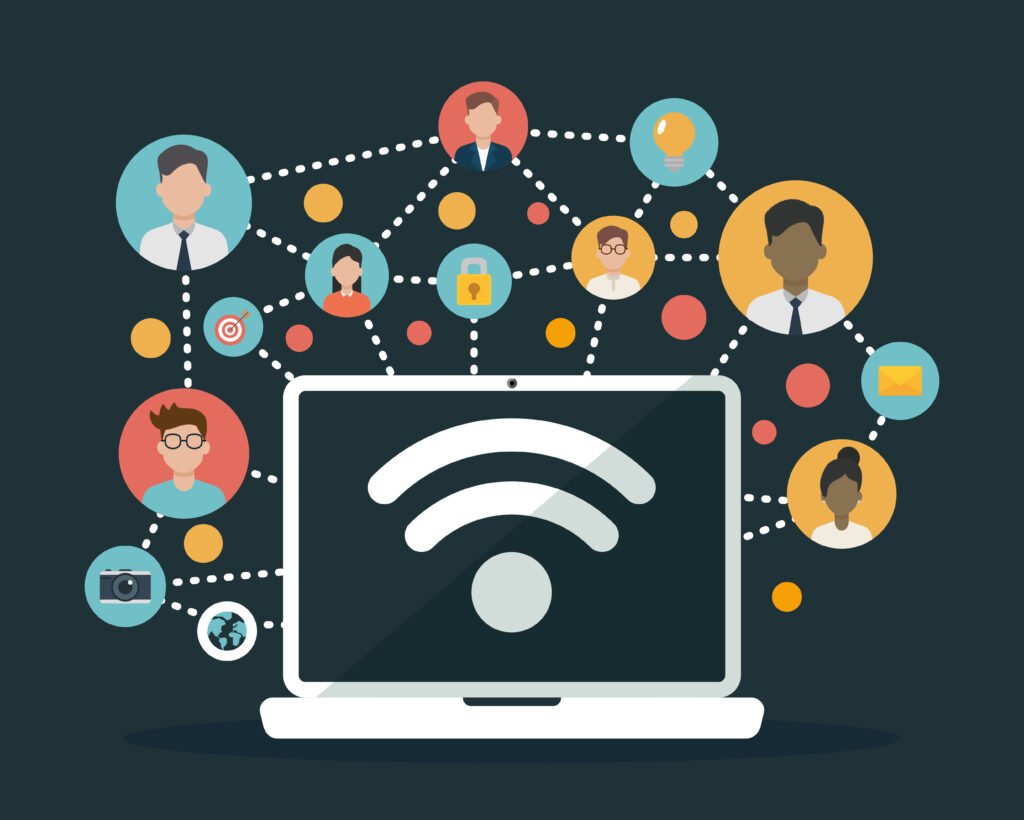
Features of Wireless
Increased Mobility
Wireless networks allow mobile users to access real-time information so they can roam around your company’s space without getting disconnected from the network. This increases teamwork and productivity company-wide that is not possible with traditional networks.
Installation Speed and Simplicity
Installing this network system reduces cables, which are cumbersome to setup and can impose a safety risk, should employees trip on them. It can also be installed quickly and easily, when compared to a traditional network.
Wider Reach of the Network
This network can be extended to places in your organization that are not accessible for wires and cables.
More Flexibility
Should your network change in the future, you can easily update this network to meet new configurations.
Reduced Cost of Ownership over Time
Wireless networking may carry a slightly higher initial investment, but the overall expenses over time are lower. It also may have a longer lifecycle than a traditionally connected network.
Increased Scalability
Wireless systems can be specifically configured to meet the needs of specific applications. These can be easily changed and scaled depending on your organization’s needs.